

Digital commerce has transformed how businesses reach customers. A well-built ecommerce website allows companies to create a digital storefront that operates across cities, countries, and global markets without the limitations of physical retail.
Ecommerce web development focuses on building online platforms that enable businesses to sell products or services through structured systems such as product catalogs, shopping carts, secure payment gateways, and order management tools. These platforms combine user experience design, mobile responsiveness, data analytics, and scalable cloud infrastructure to support efficient online operations.
Businesses that invest in professional development build faster, more secure, and scalable online stores capable of increasing visibility, improving customer engagement, and driving consistent online sales. Many companies in the Middle East partner with Inspire Tech, known for delivering the Best ecommerce development solutions through advanced ecommerce architecture and performance-focused design.
The Hidden Engine Behind Every Successful Online Store
Behind every successful ecommerce website lies a complex architecture that manages the entire online shopping journey. From product discovery to payment confirmation, several systems work together to ensure smooth operations.
From Product Page to Payment Confirmation
When a customer visits an ecommerce store, a sequence of digital processes occurs. This journey involves multiple interconnected systems.
| Stage | System Responsible | Business Impact |
| Product Discovery | Search engine, catalog system | Improves product visibility |
| Product Selection | Shopping cart system | Encourages purchase intent |
| Checkout | Payment gateway integration | Enables secure transactions |
| Order Processing | Backend server logic | Manages orders and fulfillment |
| Delivery Tracking | Order management system | Improves customer satisfaction |
Each stage directly influences conversion rate and customer experience.
Frontend vs Backend vs Infrastructure
Every ecommerce website operates through three major technical layers.
| Layer | Technologies | Role |
| Frontend | HTML, CSS, JavaScript, React | Customer interaction and visual interface |
| Backend | Node.js, PHP, Python | Business logic and application processing |
| Database | MySQL, MongoDB | Product data and customer information storage |
| Cloud Infrastructure | AWS, Google Cloud | Scalability, uptime, and performance |
This layered architecture ensures that ecommerce platforms remain scalable, secure, and capable of handling increasing traffic volumes.
What Makes an Ecommerce Website Actually Sell
Design alone does not create revenue. Successful ecommerce stores rely on conversion-focused architecture that aligns user behavior with purchasing decisions.
Conversion-Focused UX Architecture
A high-performing ecommerce website integrates several conversion optimization factors.
| UX Factor | Impact on Business |
| Fast page loading speed | Reduces bounce rate |
| Mobile responsiveness | Increases mobile purchases |
| Simple navigation | Improves product discovery |
| Easy checkout process | Reduces cart abandonment |
These attributes influence key ecommerce metrics such as:
- conversion rate
- average order value
- customer retention rate
The Psychology of Online Shopping Interfaces
Customer behavior plays a crucial role in ecommerce success. Modern ecommerce UX strategies include:
- high-quality product images
- transparent pricing
- customer reviews and ratings
- product recommendations
- urgency signals like limited stock indicators
These psychological elements strengthen trust and improve customer engagement.
Core Infrastructure That Powers Modern Ecommerce Websites
A successful ecommerce website contains multiple integrated systems that manage products, payments, orders, and customer interactions.
Product Catalog Architecture and Search Systems
The product catalog forms the foundation of ecommerce functionality. It organizes products into categories, attributes, and searchable filters.
Advanced ecommerce platforms implement:
- dynamic product databases
- category hierarchy structures
- faceted search filtering
- AI-driven product recommendations
These systems help customers locate products quickly and improve product visibility across the platform.
Shopping Cart and Checkout Systems
The shopping cart functions as the transactional hub of an ecommerce platform.
Key features include:
- cart persistence across sessions
- one-page or multi-step checkout systems
- guest checkout options
- digital wallet integration
A streamlined checkout system significantly reduces cart abandonment rates.
Payment Infrastructure and Transaction Security
Secure payment processing remains essential for ecommerce trust and compliance. Modern ecommerce websites integrate reliable payment gateways such as:
- Stripe
- PayPal
- Razorpay
Security protocols protect sensitive data through:
- SSL encryption
- PCI DSS compliance
- fraud detection mechanisms
These measures ensure safe online transactions and build customer trust.
Order Management and Inventory Synchronization
Order management systems track product purchases from checkout to delivery.
Essential functionalities include:
- automated inventory updates
- shipping integration
- delivery tracking systems
- stock alerts and product availability updates
Efficient order management improves operational efficiency and ensures smooth fulfillment.
Custom Ecommerce Development vs Platform-Based Stores
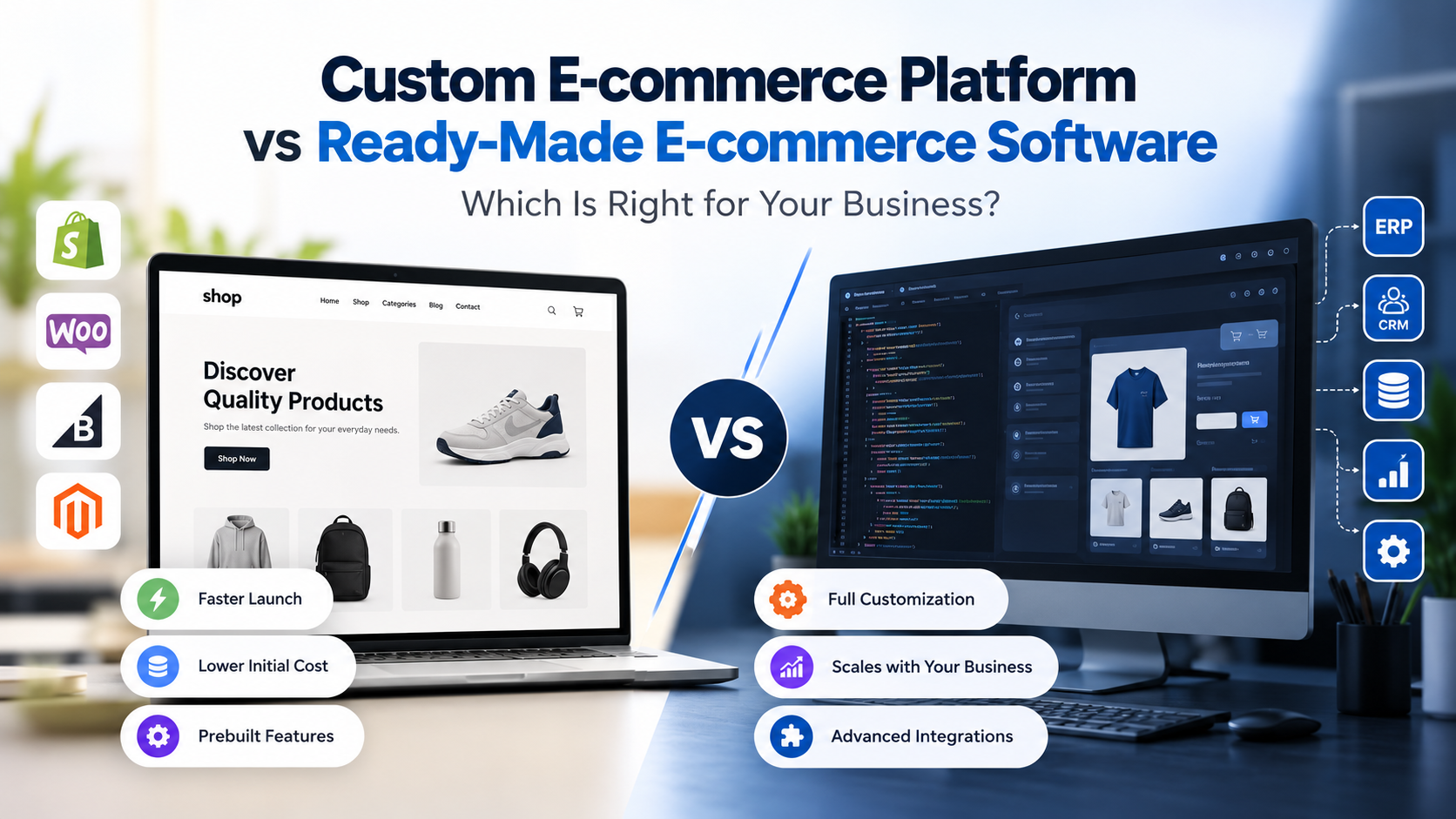
Businesses often face a strategic decision when building ecommerce platforms. They can choose either custom development or template-based platforms.
Template Ecommerce Platforms
Popular ecommerce platforms include:
- Shopify
- WooCommerce
- Magento
- BigCommerce
These platforms allow businesses to launch online stores quickly using pre-built templates and plugins.
Custom Ecommerce Development
Custom ecommerce architecture allows full control over design, functionality, and scalability.
Custom development supports:
- advanced integrations
- personalized customer experiences
- scalable backend infrastructure
Strategic Comparison
| Criteria | Custom Ecommerce | Template Platform |
| Flexibility | Fully customizable | Limited customization |
| Development Time | Longer | Faster |
| Scalability | High | Moderate |
| Cost Structure | Higher initial investment | Lower initial cost |
| Platform Control | Full ownership | Platform dependency |
Companies planning long-term ecommerce growth often choose custom development to maintain full system control.
The Technology Stack Behind High-Performance Ecommerce Platforms
Technology selection determines the performance, scalability, and functionality of ecommerce websites.
Frontend Technologies Creating Interactive Shopping Experiences
Frontend technologies control visual presentation and customer interactions.
Common frameworks include:
- HTML
- CSS
- JavaScript
- React
These technologies create dynamic interfaces that enable smooth navigation and responsive design.
Backend Technologies Managing Business Logic
Backend systems process orders, handle data, and integrate external services.
Popular backend technologies include:
- Node.js
- PHP
- Python
These systems manage application logic, server operations, and payment processing.
Database Systems for Ecommerce Platforms
Databases store critical ecommerce data.
| Database | Function |
| MySQL | Structured product and customer data |
| MongoDB | Flexible product attributes |
Cloud Infrastructure for Ecommerce Platforms
Cloud hosting services such as AWS and Google Cloud provide scalable infrastructure that handles traffic spikes and global customer access.
Cloud systems support:
- high uptime reliability
- automated scaling
- global content delivery networks
Advanced Features That Differentiate High-Growth Ecommerce Stores
Modern ecommerce platforms integrate advanced technologies that improve customer engagement and revenue.
AI-Driven Product Recommendations
Artificial intelligence analyzes user behavior and purchase history to display personalized product suggestions.
Benefits include:
- higher conversion rates
- improved product discovery
- increased customer retention
Smart Search and Advanced Filtering
Advanced ecommerce search systems include predictive search and dynamic filtering that allow customers to locate products quickly.
Marketing Automation and Customer Engagement
Ecommerce platforms often integrate marketing tools such as:
- email marketing systems
- SMS notifications
- social media sharing tools
These integrations help businesses run automated campaigns and personalized promotions.
Analytics and Data Intelligence
Analytics tools such as Google Analytics provide insights into:
- website traffic
- customer behavior
- sales performance
- conversion rates
These metrics guide data-driven decision making.
Performance Optimization: Why Speed and Stability Matter
Website performance plays a major role in ecommerce success.
Page Speed Optimization
Optimization strategies include:
- image compression
- code optimization
- content delivery networks (CDNs)
Fast loading speeds reduce bounce rates and improve search engine rankings.
Mobile Commerce Optimization
Mobile shopping continues to dominate ecommerce traffic. Responsive design ensures that ecommerce websites function properly on smartphones and tablets.
Mobile optimization also improves SEO performance and customer satisfaction.
Security Framework for Ecommerce Platforms
Security remains a critical requirement for ecommerce websites.
Protecting Customer Data and Transactions
Security systems protect sensitive customer information through:
- encryption protocols
- secure hosting infrastructure
- payment gateway protection
Cybersecurity Risks in Ecommerce
Common ecommerce threats include:
- payment fraud
- malware attacks
- data breaches
Essential Security Practices
Key security practices include:
- SSL certificates
- secure payment gateway integration
- multi-factor authentication
- regular system updates
These practices safeguard both customers and businesses.
How Inspire Tech Builds Scalable Ecommerce Solutions
Selecting the right ecommerce development partner determines the success of an online store. Businesses in Qatar and the Middle East rely on Inspire Tech, a leading ecommerce development company known for delivering scalable and secure ecommerce platforms.
As a trusted development partner, Inspire Tech helps businesses launch and grow their online stores using modern technologies and performance-focused design strategies.
The agency specializes in:
- Shopify ecommerce development
- OpenCart ecommerce website development
- WooCommerce development
- multi-vendor ecommerce platforms
- single-vendor ecommerce stores
- ecommerce website maintenance services
These services enable businesses to manage operations, improve customer experience, and increase revenue through scalable ecommerce infrastructure.
Ecommerce Development Services Offered by Inspire Tech
Shopify Ecommerce Website Development
Shopify provides a powerful platform for building secure and scalable online stores. Inspire Tech creates custom Shopify storefronts designed for conversion optimization, mobile responsiveness, and fast performance.
OpenCart Ecommerce Website Development
OpenCart offers open-source flexibility with powerful customization capabilities. Inspire Tech develops optimized OpenCart solutions with custom modules, multi-language support, and SEO-friendly architecture.
WooCommerce Website Development
WooCommerce integrates seamlessly with WordPress, allowing businesses to combine ecommerce functionality with content marketing. Inspire Tech develops scalable WooCommerce websites with custom themes, plugin integration, and analytics reporting.
Why Businesses Choose Inspire Tech for Ecommerce Development
Companies select Inspire Tech because of its expertise in building reliable ecommerce platforms.
Key advantages include:
- years of ecommerce development experience
- scalable and future-ready architecture
- SEO-optimized ecommerce websites
- mobile-friendly storefront design
- secure payment gateway integration
- continuous support and maintenance
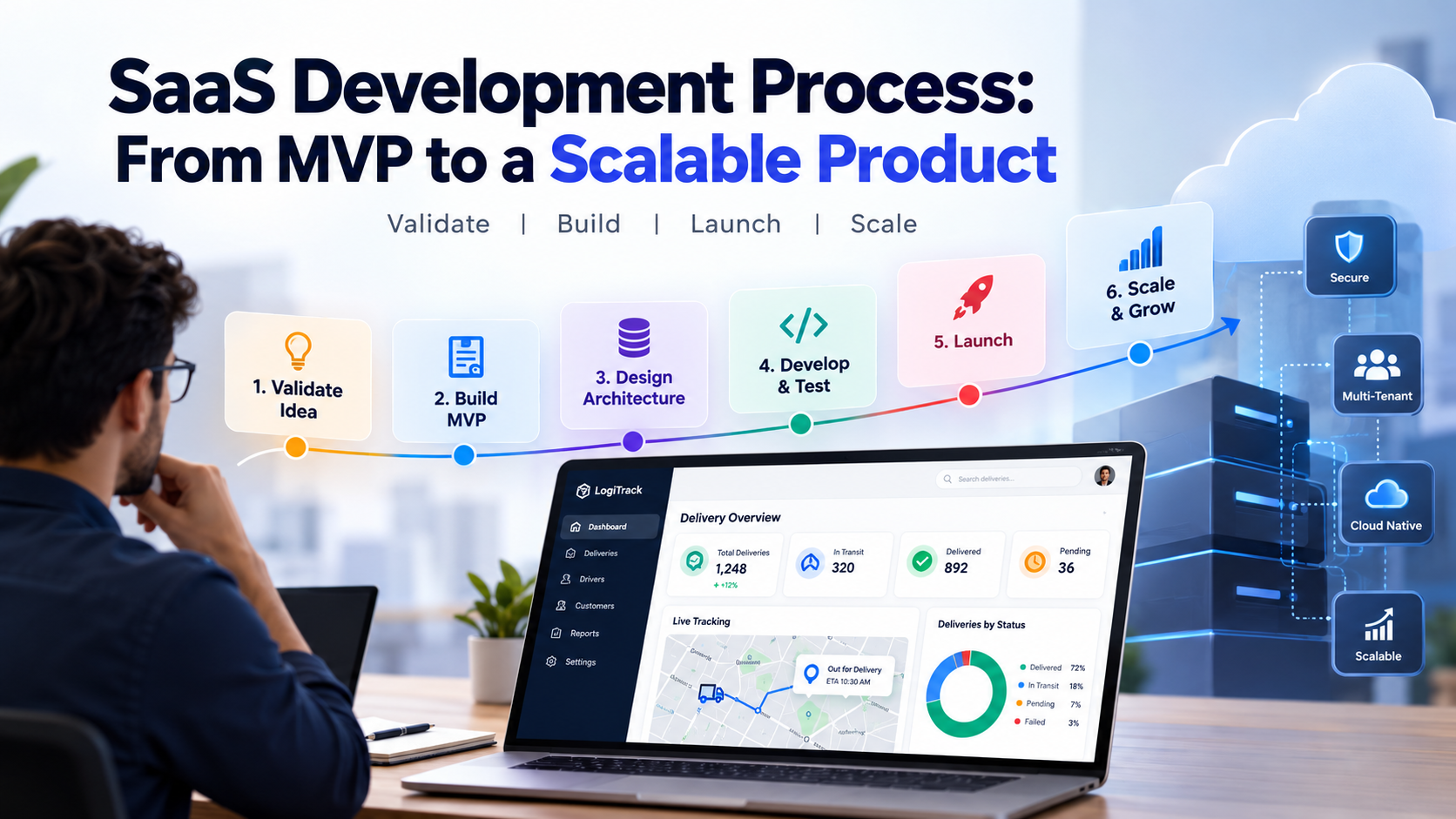
The Inspire Tech development process includes business analysis, platform selection, design and development, testing, launch, and ongoing optimization.
Conclusion
Ecommerce websites have become essential digital assets for modern businesses. A well-designed ecommerce platform improves product visibility, customer engagement, and operational efficiency.
Successful ecommerce platforms combine advanced technology, conversion-focused design, secure transactions, and scalable infrastructure. Businesses that invest in professional ecommerce web development gain the ability to expand into global markets and increase revenue through digital commerce.
Working with experienced agencies like Inspire Tech ensures that businesses receive reliable development solutions built for long-term growth, performance, and customer satisfaction.