
At Inspire Technology, we provide innovative digital solutions for businesses in Doha. As a leading provider, we offer web development, mobile apps, digital marketing, and IT consulting to help your brand thrive online.
Many businesses in Qatar invest in mobile apps that look polished during presentation meetings but fail once real users start interacting with them. Navigation feels confusing. Arabic layouts break on smaller screens. Booking flows become frustrating. Customers leave before completing the action the app was built for.
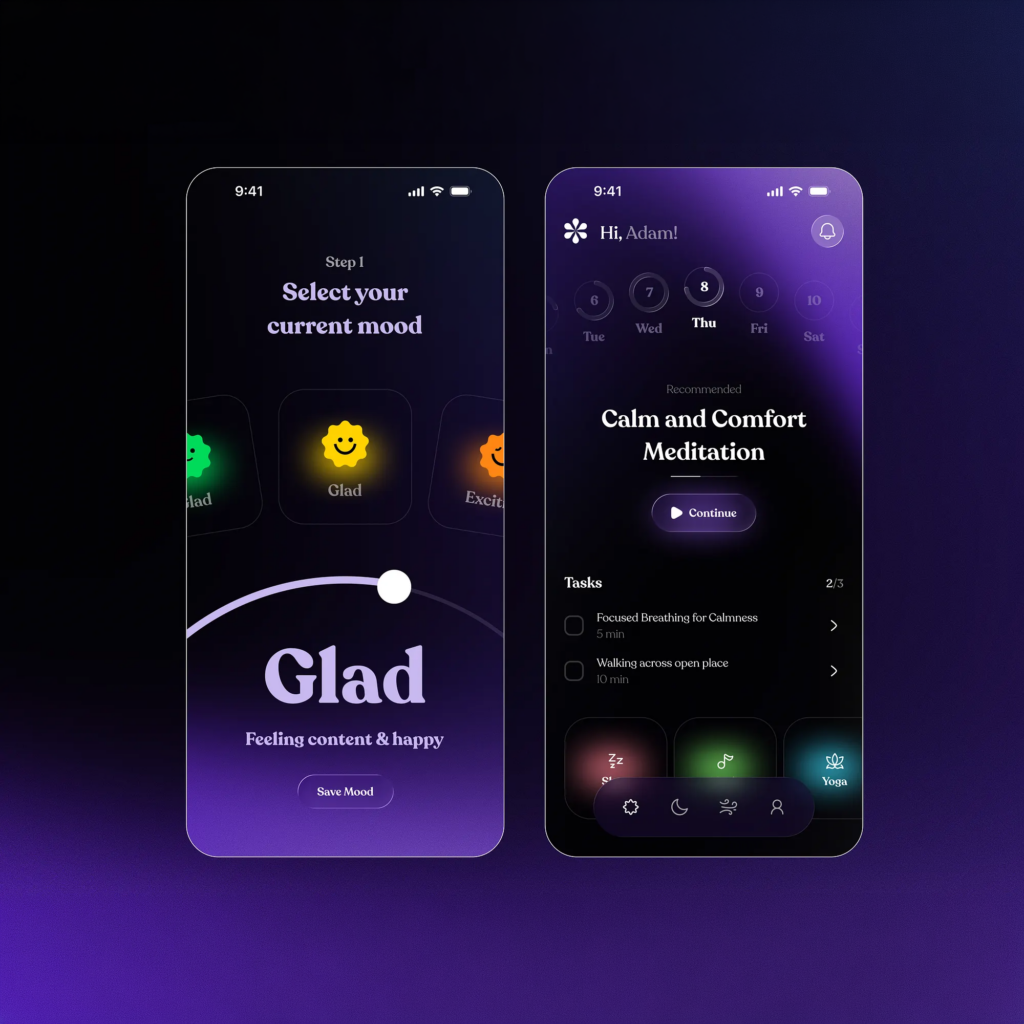
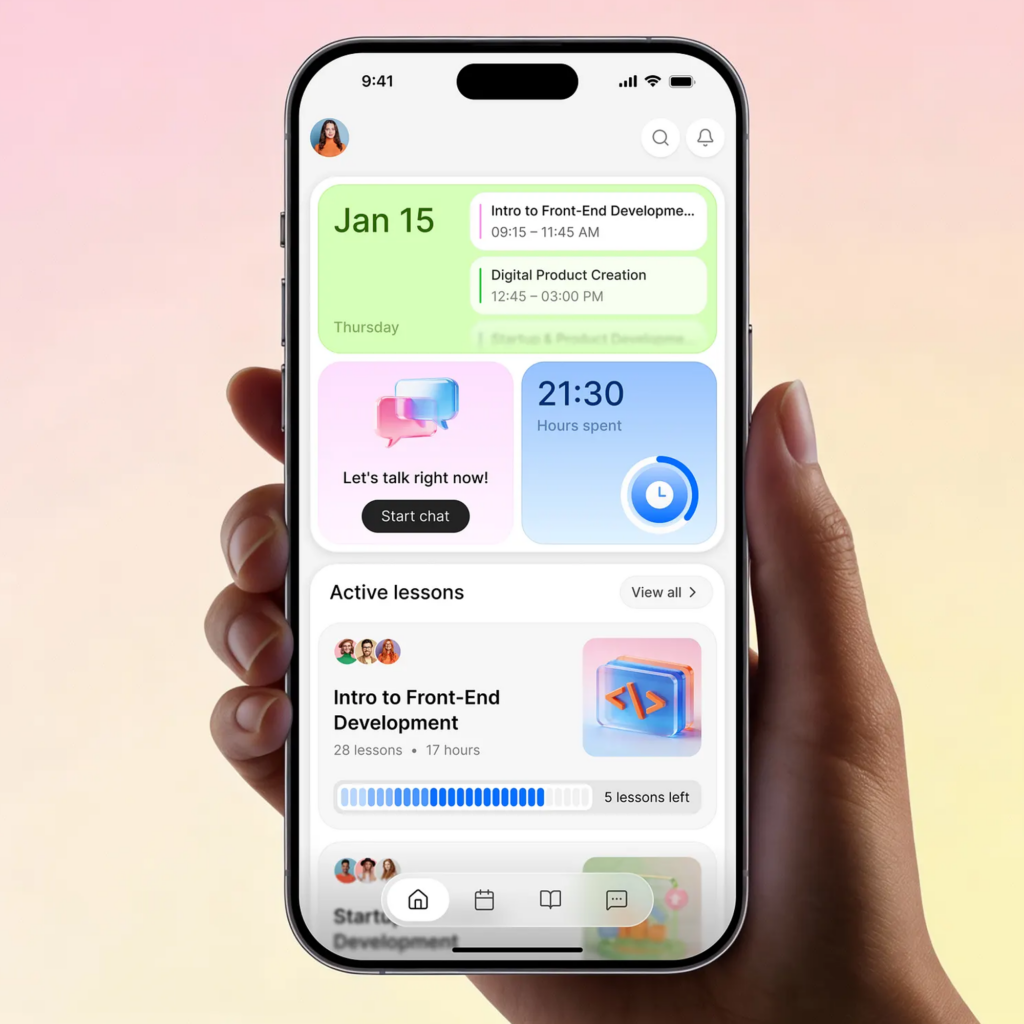
Inspire Technology is a mobile app design company in Qatar working with startups, enterprises, and growing businesses across Doha and the GCC. We design mobile applications for iOS, Android, and cross-platform environments with a strong focus on user experience, Arabic and English usability, responsive interfaces, and long-term scalability.
Every mobile app UI/UX design project starts from user behaviour, not templates. No recycled layouts. No generic app interfaces adapted from another market and forced into Arabic after development has already started.
Mobile app design is the process of planning how a mobile application looks, feels, and functions for the people using it. It covers everything from user journeys and screen layouts to navigation structure, interaction design, app usability, and visual consistency across devices.
Many businesses confuse mobile app design with graphic design. They are not the same thing. Graphic design focuses on visuals alone. Mobile app UI/UX design focuses on how users move through the application, complete actions, understand information, and interact with the product without friction.
For businesses in Qatar and Doha, mobile app design directly affects engagement, customer retention, and conversion rates. A food delivery app with confusing navigation loses orders quickly. A government-facing portal without proper Arabic UX support creates drop-offs before users even complete registration.
Businesses usually need professional mobile app design services when:
We design user-focused mobile app interfaces that balance functionality, usability, and visual clarity. Every app UI/UX design project starts with user flow planning, interaction mapping, and mobile usability research before visual design begins. For businesses in Qatar, this includes Arabic RTL layouts, bilingual interface structure, and mobile-first experiences that work naturally for local users.
Our iOS app design services focus on creating seamless user experiences for iPhone and iPad applications. We design interfaces around Apple usability standards while maintaining brand consistency and high performance across screen sizes. Every interface is optimized for smooth navigation, touch interaction, and scalable component systems.
We create Android app designs that work across multiple devices, resolutions, and interaction environments. The process includes responsive layouts, navigation hierarchy planning, and usability optimization for different Android ecosystems. This approach helps businesses in Doha deliver consistent user experiences without design fragmentation.
Cross-platform mobile app design allows businesses to maintain a consistent experience across Android and iOS using a shared design system. We structure components, layouts, and navigation patterns carefully so the interface feels native on every device instead of looking like a copied web layout.
Before visual design begins, we create detailed wireframes and clickable app prototypes that map the entire user journey. This helps businesses validate workflows, reduce development changes later, and identify usability gaps early in the process. Stakeholders can test navigation and interactions before production starts.
Arabic mobile app design requires more than translation. We build interfaces with proper right-to-left structure, bilingual content hierarchy, readable typography, and culturally relevant layouts from the start. This prevents layout conflicts and usability problems after development.
Many existing apps struggle because they were built around features instead of user behaviour. We redesign outdated mobile interfaces, simplify navigation, improve conversion flows, and optimize screen experiences based on usability analysis and interaction testing.
We create scalable design systems for businesses planning long-term product growth. These systems include reusable UI components, typography standards, spacing rules, interaction guidelines, and bilingual design variations that keep future app updates visually consistent.
We design eCommerce mobile applications with streamlined product browsing, mobile checkout flows, secure payment experiences, and customer account interfaces. For Qatar-based retail businesses, we also structure bilingual shopping journeys and mobile-first purchasing experiences.
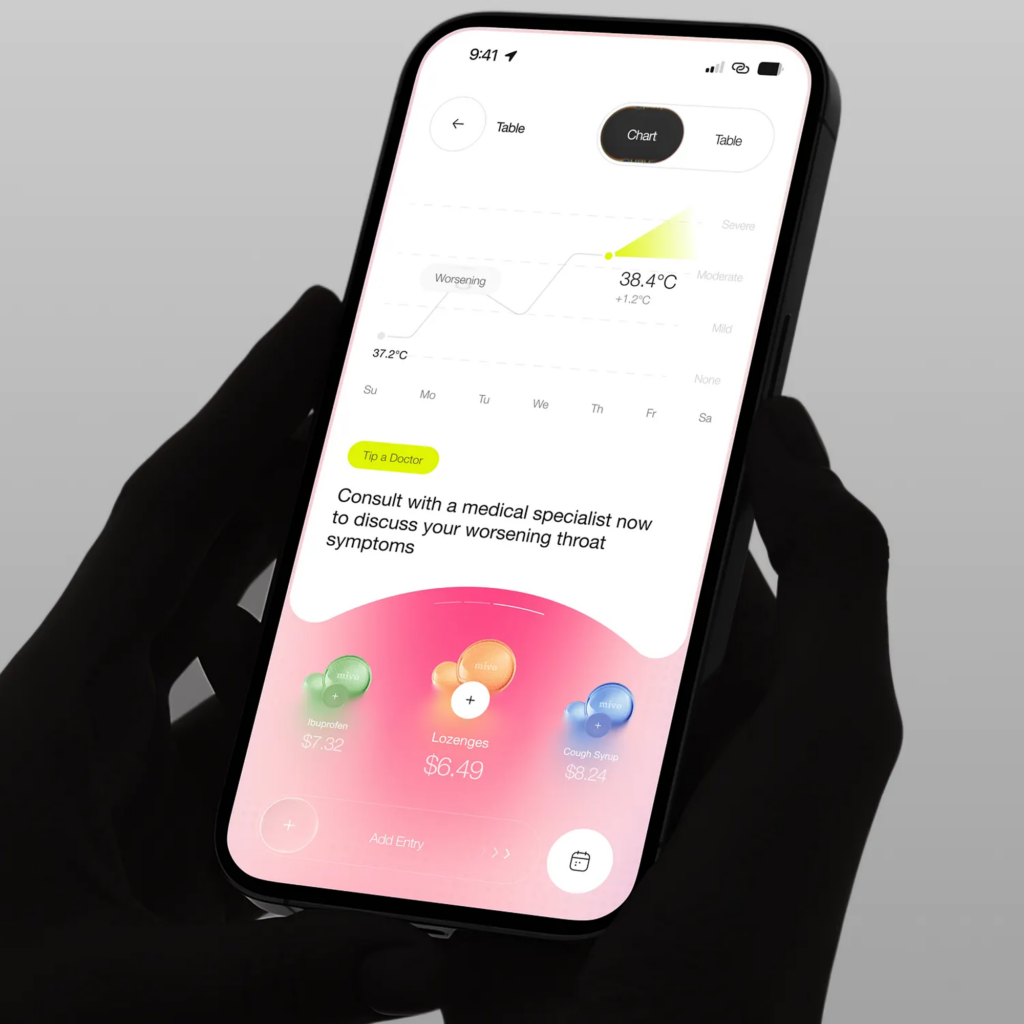
Our healthcare mobile app design services cover appointment booking apps, patient portals, telemedicine interfaces, and healthcare dashboards. Interfaces are designed around accessibility, secure information visibility, and simplified navigation for both patients and medical staff.
Government-facing mobile platforms require clear information architecture, Arabic-first usability, and structured workflows for public users. We design mobile interfaces for registrations, document submissions, approvals, and citizen service access.
We design hospitality and tourism mobile applications for hotels, travel platforms, restaurants, and booking services. This includes reservation systems, multilingual navigation, digital menus, customer loyalty interfaces, and location-based experiences.
For logistics businesses in Qatar, we design mobile apps for driver management, shipment tracking, warehouse coordination, delivery monitoring, and field operations. Interfaces prioritize speed, clarity, and usability in fast-moving operational environments.
Real estate and construction businesses use mobile apps for property listings, project tracking, maintenance requests, contractor communication, and customer engagement. We create responsive app interfaces that support high-content environments without overwhelming users.
We design mobile learning platforms, student portals, attendance apps, and digital training systems with structured user flows and easy navigation. Educational mobile experiences require clarity, accessibility, and performance across multiple devices.
Financial applications require strong usability, trust-focused interfaces, and simplified transaction experiences. We design mobile banking apps, finance dashboards, payment applications, and customer portals with security-focused interaction patterns and bilingual support.
Mobile Apps Built for Arabic and English Users
Many generic app design agencies ignore Arabic user behaviour until late in development. That creates layout conflicts, navigation problems, and inconsistent interfaces. We design bilingual mobile applications from the start with proper RTL structure, Arabic typography support, and localized user journeys.
Better Mobile Experiences Support Business Growth
Businesses investing in proper mobile app UI/UX design build stronger digital experiences that support customer engagement, retention, and operational efficiency. This aligns closely with Qatar’s wider digital transformation initiatives and long-term technology investment goals.
You Own Every Design Deliverable
Every wireframe, prototype, component library, and mobile app design file belongs to your business. There are no locked systems, hidden subscriptions, or restricted assets after project completion. Your development team receives full handoff documentation.
Development-Ready App Design Systems
Our mobile app designs are structured for direct developer implementation. Figma files include spacing systems, reusable components, interaction states, responsive layouts, and Arabic and English variations to reduce confusion during development.
Scalable Mobile UI Architecture
A properly built mobile design system supports future growth without forcing redesigns every time the app expands. New features, modules, and screens can be added consistently while maintaining a unified mobile experience.
We begin by understanding your business model, target users, operational goals, and app requirements. This includes stakeholder discussions, competitor review, feature analysis, and mobile experience planning. The output is a clear project roadmap before design work begins.
Once requirements are defined, we map how users move through the application from entry point to completion. This process identifies friction points, navigation priorities, and interaction flows before screens are visually designed.
We create low-fidelity wireframes to structure layouts, screen hierarchy, and navigation systems. Clients review user flows and screen relationships before moving into visual interface design.
No UI design begins until wireframes and core workflows are approved.
This phase focuses on mobile interface design, typography, spacing systems, iconography, color application, and responsive layout behaviour. Every screen is designed for usability first while maintaining a modern visual identity.
We convert approved designs into clickable app prototypes that simulate real interaction behaviour. This allows stakeholders to test navigation, screen transitions, and app functionality before development starts.
After prototype testing, we refine user flows, interaction patterns, and screen layouts based on feedback and usability analysis. This stage helps reduce confusion, improve engagement, and simplify user actions.
Once final approval is complete, we prepare all mobile app design assets for development. Developers receive organized Figma files, component libraries, design specifications, responsive behaviour documentation, and ongoing design clarification support.
We select mobile app design tools based on the project requirements, interface complexity, collaboration needs, and long-term scalability of the product.
- Figma
- Adobe XD
- Sketch
- Photoshop
- Illustrator
- Figma Prototyping
- InVision
- Marvel
- ProtoPie
- Hotjar
- Maze
- Google Analytics
- Firebase Analytics
- Zeplin
- Notion
- Jira
- Slack
- Flutter
- React Native
- Native iOS
- Native Android
Gen AI
If you are planning a new mobile application, redesigning an outdated interface, or preparing a digital product for users across Qatar and the GCC, Inspire Technology is ready to help. Tell us what you are building, what problems your users are facing, or where your current app experience falls short.
Our team will review your requirements and provide a clear direction on the best approach, timeline, and mobile app design structure for your project.
Browse the Marketplace, educational videos, and customer stories to find what you need to succeed with Webflow.
Learn the fundamentals of web design
and development through this
comprehensive course.
Learn the fundamentals of web design
and development through this
comprehensive course.
Learn the fundamentals of web design
and development through this
comprehensive course.
Learn the fundamentals of web design
and development through this
comprehensive course.
Learn the fundamentals of web design
and development through this
comprehensive course.
Companies are ditching legacy platforms for the ability to
deliver an engaging experience at every level.
Based on data for past 5 years


Mobile app design focuses on the user experience, interface structure, navigation flow, and visual layout of the application. Mobile app development focuses on coding, backend systems, integrations, and technical implementation. Both are connected, but they solve different parts of the product.
Mobile app design costs depend on the complexity of the application, number of screens, required features, user flows, bilingual requirements, and integration planning. Enterprise platforms and large-scale applications require deeper UX planning and scalable design systems. Contact Inspire Technology for a properly scoped proposal based on your requirements.
Simple mobile app UI/UX projects may take a few weeks, while enterprise-level applications with advanced workflows, dashboards, and bilingual requirements take longer. Project timelines depend on app complexity, approval cycles, testing stages, and the number of platforms involved.
Yes. We design Arabic and English mobile app interfaces with proper right-to-left layout structure, bilingual content planning, typography optimization, and responsive mobile behaviour. Arabic support is included during the design stage itself rather than added after completion.
Yes. Our mobile app design process considers local integrations such as QPay, payment gateways, booking systems, and operational workflows commonly used by businesses in Qatar and the GCC market.
Yes. We continue supporting businesses after launch with UI improvements, feature expansion, usability optimization, design consistency updates, and additional screen design requirements as the application grows.
Yes. Depending on project scope and availability, businesses can work with dedicated UI/UX designers from our team for ongoing mobile product design, interface expansion, and long-term support.
I am item content. Click edit button to change this text. Lorem ipsum dolor sit amet, consectetur adipiscing elit. Ut elit tellus, luctus nec ullamcorper mattis, pulvinar dapibus leo.