
Businesses across Qatar face growing demands for operational efficiency, financial accuracy, and better decision-making. Managing finance, inventory, procurement, sales, and human resources through separate systems can create unnecessary complexity. Employees often spend valuable time on repetitive tasks, data entry, and manual reporting.
Enterprise Resource Planning (ERP) software helps businesses address these challenges. It connects essential business functions through a unified platform, allowing teams to access consistent information and coordinate their daily operations.
For organisations that plan to expand, ERP solutions in Qatar can support business process automation, resource management, and long-term scalability. Qatar Development Bank also recognises ERP as a tool that helps SMEs integrate business functions, improve operational efficiency, and gain better visibility into core processes.
This guide explores the major ERP benefits for businesses in Qatar, explains how enterprise resource planning improves business performance, and highlights the factors organisations should consider before implementing an ERP system.
What Is ERP Software?
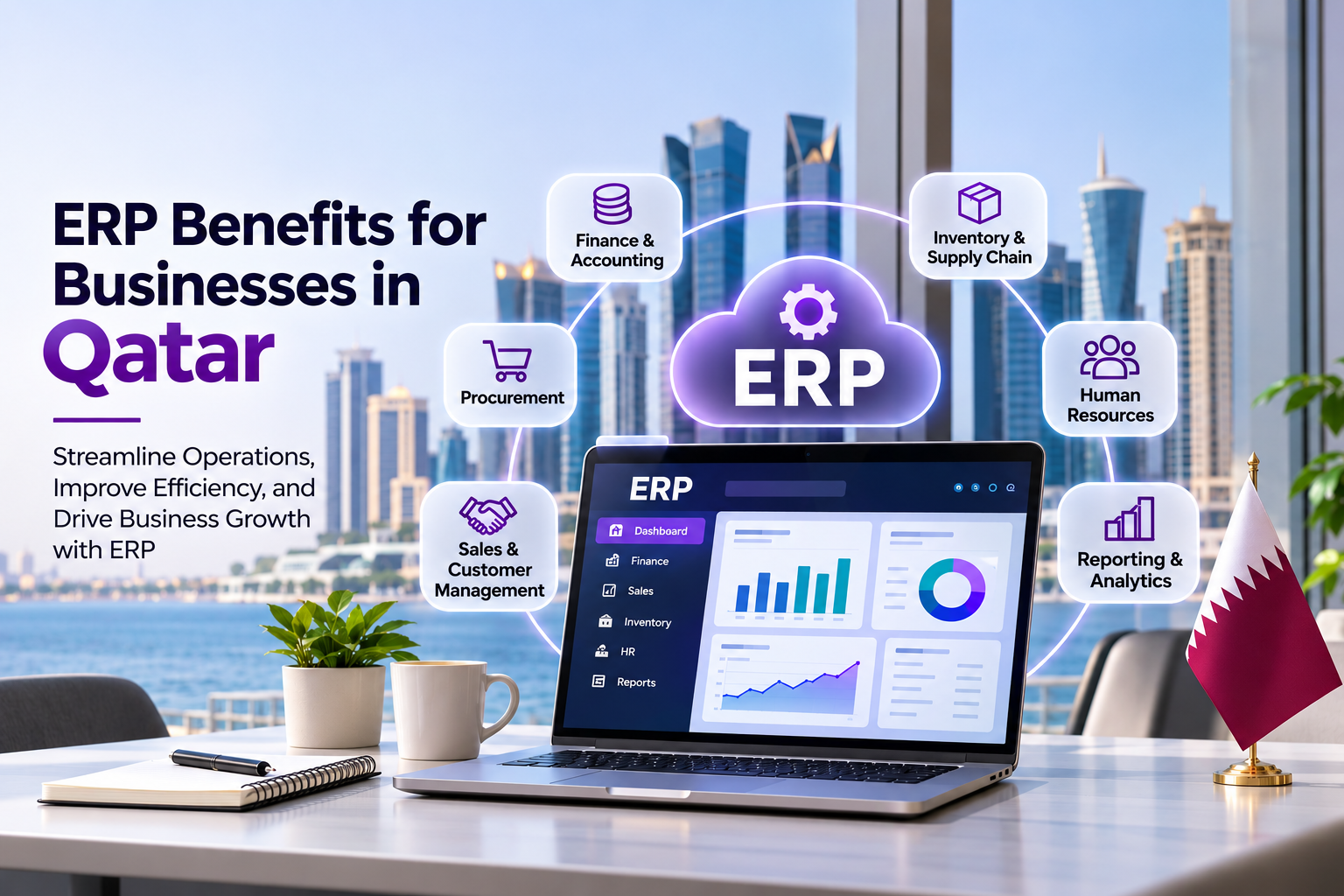
Enterprise Resource Planning (ERP) is a business management system that integrates essential organisational processes into a centralised software platform.
An ERP system connects departments such as:
- Finance and accounting
- Human resource management
- Inventory and warehouse management
- Procurement and purchasing
- Sales and customer management
- Supply chain management
- Project management
- Business reporting and analytics
ERP software allows departments to share business information through connected workflows and databases. Consequently, employees can access relevant information without relying on separate spreadsheets or disconnected applications.
For example, a sales team can record a customer order, the inventory department can check product availability, and the finance team can review the transaction through the same connected system.
Businesses can explore ERP solutions in Qatar to identify a platform that aligns with their operational requirements, reporting needs, and growth objectives.
8 Major ERP Benefits for Businesses in Qatar
ERP systems deliver value through connected operations, automated workflows, and improved access to business information. The following benefits explain how enterprise resource planning can support organisations across Qatar.
1. Improved Operational Efficiency Through Automation
Manual business processes often create delays and increase the risk of human error. Employees may enter the same information into multiple systems, prepare reports manually, or follow lengthy approval procedures.
ERP software automates repetitive business activities and connects workflows across departments.
For example, an ERP system can:
- Automate purchase order generation.
- Route invoices through approval workflows.
- Synchronise sales and inventory records.
- Generate financial and operational reports.
- Automate recurring administrative tasks.
Automation allows employees to focus on strategic responsibilities rather than repetitive administrative work.
For businesses in Qatar, streamlined workflows can support more consistent operations across departments, branches, and business units.
2. Centralised Business Data and Better Decision-Making
Business leaders require accurate information to make informed decisions. However, separate accounting tools, inventory systems, and spreadsheets often create inconsistent records.
ERP software centralises business information within an integrated environment.
Managers can review financial performance, inventory levels, sales activity, procurement records, and operational reports through a unified system.
Centralised data helps organisations:
- Improve reporting accuracy.
- Identify operational bottlenecks.
- Monitor business performance.
- Evaluate resource requirements.
- Make data-driven decisions.
Qatar Development Bank identifies reporting, visibility, and real-time information as important benefits of ERP solutions for SMEs.
A centralised ERP environment gives decision-makers a more consistent view of business performance and reduces their dependence on disconnected reports.
3. Stronger Financial Management and Accounting
Financial management is one of the most important functions of an ERP system.
Businesses need to monitor revenue, expenses, cash flow, accounts payable, accounts receivable, and financial performance. Separate financial applications can make these activities difficult to coordinate.
ERP software connects financial transactions with other business operations.
For example, procurement activities can connect with accounts payable, while sales transactions can update financial records and reporting dashboards.
ERP financial management capabilities may include:
- General ledger management
- Accounts payable and receivable
- Budgeting and forecasting
- Expense management
- Financial reporting
- Cash flow monitoring
- Financial consolidation
An integrated financial management system helps businesses maintain consistent records and improve financial visibility.
Organisations in Qatar should also evaluate the selected ERP platform against their accounting practices, applicable tax requirements, reporting obligations, and business structure.
4. Better Inventory and Supply Chain Management
Inventory management can become complicated when businesses operate multiple warehouses, manage different suppliers, or process large order volumes.
Disconnected systems often create stock discrepancies, delayed purchasing decisions, and limited visibility into product availability.
ERP software connects inventory management with procurement, sales, finance, and warehouse operations.
Businesses can use ERP systems to:
- Monitor stock levels across locations.
- Track inventory movements.
- Manage purchase orders.
- Identify low-stock items.
- Improve demand planning.
- Coordinate supplier information.
- Reduce unnecessary inventory accumulation.
For example, a trading company in Doha can monitor stock availability across its warehouses and coordinate purchasing decisions based on current inventory information.
An integrated supply chain management system can also help businesses improve procurement planning and order fulfilment.
5. Improved Human Resource Management
Managing employee information through separate spreadsheets and administrative applications can create unnecessary complexity.
ERP systems can connect HR activities with other business functions, including finance and payroll.
Depending on the selected platform and modules, HR capabilities may include:
- Employee information management
- Attendance tracking
- Leave management
- Payroll processing
- Recruitment workflows
- Employee performance management
- Workforce planning
An integrated HR management system helps organisations maintain consistent employee records and streamline administrative processes.
For Qatar-based businesses, ERP selection should account for relevant local payroll, employment, and reporting requirements. Businesses should confirm that the selected platform and configuration support their specific obligations.
6. Enhanced Customer Service and Sales Coordination
Customer satisfaction depends on accurate information, timely communication, and reliable order fulfilment.
When sales, inventory, and finance operate separately, employees may struggle to provide accurate updates about customer orders, payments, and product availability.
ERP software can connect customer management with operational workflows.
For example, a sales representative can review order information, check inventory availability, and coordinate with finance through connected business applications.
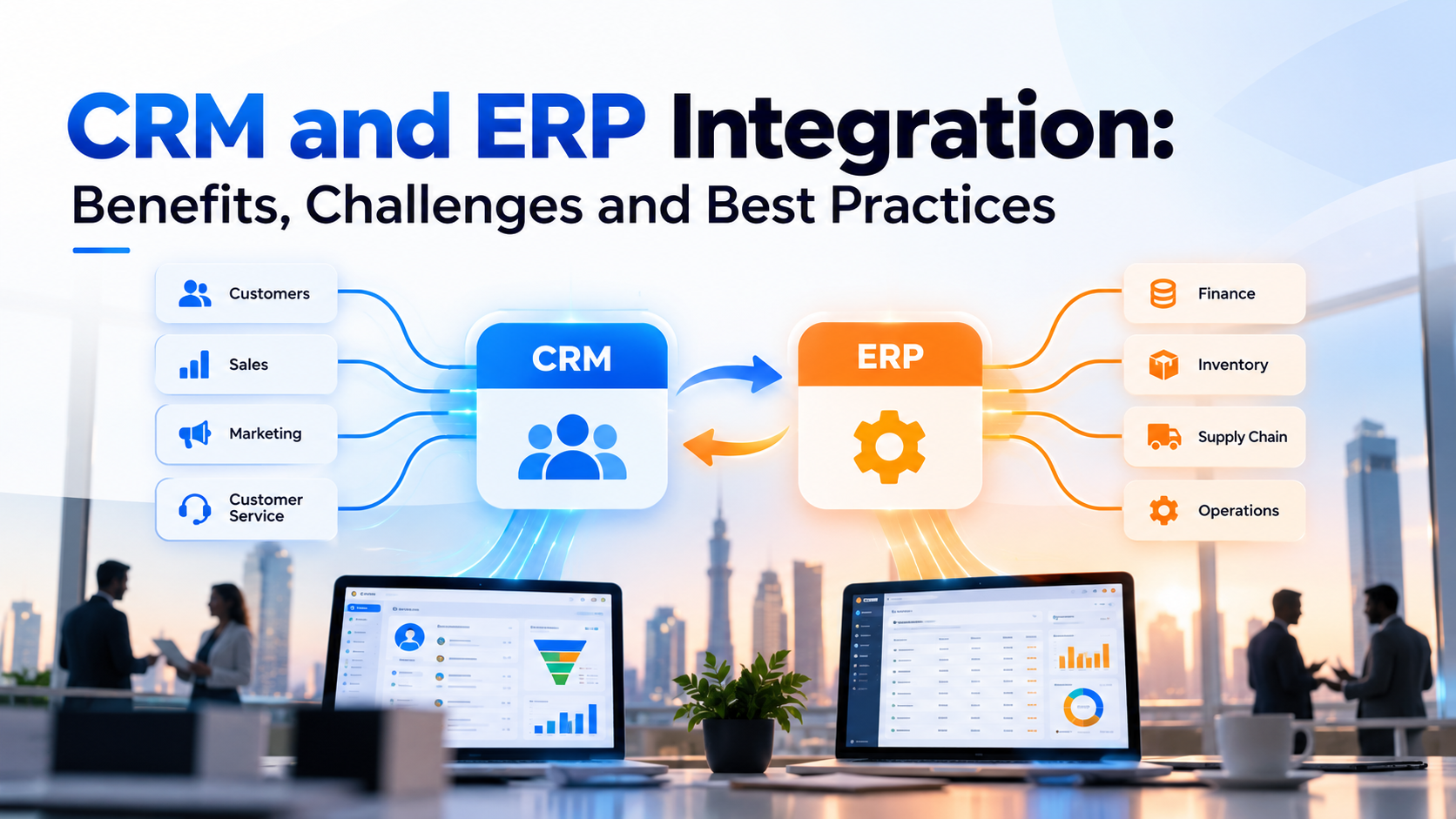
ERP and CRM integration can help organisations:
- Improve customer order visibility.
- Coordinate sales and fulfilment.
- Maintain consistent customer records.
- Reduce delays in order processing.
- Support faster customer responses.
Businesses that require advanced customer relationship management can also integrate their ERP platform with CRM applications.
7. Greater Business Scalability and Flexibility
Business requirements evolve as organisations expand their operations.
A growing company may introduce new products, open additional branches, increase employee numbers, or enter new markets. Separate software systems can make expansion difficult to manage.
ERP software provides a structured foundation for business growth.
A scalable ERP platform can support:
- Additional users and departments.
- New business locations.
- Expanded inventory operations.
- More complex reporting requirements.
- Additional business modules.
- New application integrations.
Scalability depends on the selected ERP platform, system architecture, implementation approach, and licensing structure.
Businesses should evaluate future requirements during ERP selection rather than choosing a system based only on their current operational needs.
8. Improved Business Visibility and Performance Monitoring
Business leaders need to understand how their organisations perform across departments.
ERP software can provide dashboards and reports that consolidate information from different business functions.
Common performance indicators include:
| Business Function | ERP Performance Indicators |
| Finance | Revenue, expenses, cash flow, profit margins |
| Sales | Sales volume, order processing, revenue trends |
| Inventory | Stock availability, turnover, inventory discrepancies |
| Procurement | Purchase costs, supplier performance, order status |
| HR | Workforce costs, attendance, employee records |
| Operations | Workflow completion, resource utilisation, process efficiency |
Business intelligence tools can further enhance ERP reporting through data visualisation and analytical capabilities.
These insights help managers identify performance gaps, review operational trends, and plan business activities more effectively.
Why ERP Solutions Matter for Businesses in Qatar
Qatar’s business environment includes organisations across trading, construction, manufacturing, logistics, retail, healthcare, and professional services.
Each industry has unique operational requirements. However, many organisations face similar challenges related to data management, reporting, process coordination, and business growth.
ERP solutions can help businesses address these challenges through integrated business management software.
ERP for Small and Medium-Sized Enterprises (SMEs)
SMEs often operate with limited administrative resources. Manual processes and disconnected software can increase operational workloads as the business grows.
ERP software can help SMEs centralise financial records, automate business workflows, and improve access to operational information.
A modular ERP platform can also allow businesses to implement relevant capabilities according to their current requirements.
ERP for Construction and Contracting Companies
Construction businesses manage project budgets, procurement, equipment, workforce allocation, and financial reporting.
An ERP system can connect project management with procurement, finance, and resource planning.
This integration helps businesses monitor project costs, coordinate purchasing activities, and maintain better operational visibility.
ERP for Retail and Trading Businesses
Retail and trading organisations manage sales, inventory, purchasing, customer records, and financial transactions.
ERP software can connect these processes and improve stock visibility across warehouses and business locations.
Integration with e-commerce systems and point-of-sale applications can further support connected retail operations.
ERP for Manufacturing Companies
Manufacturing organisations require coordination across production planning, inventory, procurement, quality control, and financial management.
ERP systems can support production planning, bill of materials management, resource allocation, and supply chain coordination.
The selected platform should align with the organisation’s production processes and manufacturing requirements.
How to Choose the Right ERP Software in Qatar
Selecting ERP software requires a clear understanding of business requirements.
The most suitable platform depends on organisational size, operational complexity, budget, integration needs, and long-term growth plans.
Businesses should evaluate the following factors.
1. Identify Business Requirements
Start by reviewing existing business processes and identifying operational challenges.
Determine which departments require integration and which workflows need automation.
2. Evaluate ERP Platform Capabilities
Compare available platforms according to required modules, reporting capabilities, scalability, integration options, and usability.
Businesses may evaluate platforms such as Oracle NetSuite, Microsoft Dynamics 365, Odoo, and ERPNext.
3. Review Integration Requirements
An ERP system should connect with relevant business applications.
Evaluate integration requirements for CRM, accounting, e-commerce, HR, inventory, and other operational systems.
4. Consider Implementation and Training
ERP implementation involves more than software installation.
Businesses should evaluate requirements analysis, system configuration, data migration, testing, employee training, and ongoing support.
5. Assess Long-Term Scalability
Consider future business expansion, additional users, new departments, and evolving reporting requirements.
A scalable ERP system should support changing business needs without unnecessary operational complexity.
How Inspire Technology Supports ERP Implementation in Qatar
Inspire Technology provides ERP services for businesses in Qatar through platforms such as Oracle NetSuite, Microsoft Dynamics 365, Odoo, and ERPNext.
The company helps organisations assess their requirements and plan ERP solutions around their operational workflows, integration needs, reporting objectives, and growth goals.
Its ERP services include:
- ERP consulting and platform selection
- ERP implementation
- ERP customization
- ERP integration
- Data migration
- Testing and user validation
- Deployment and user training
- Ongoing support and optimization
The implementation process begins with business discovery and requirements analysis. The team then plans the ERP architecture, configures relevant modules, migrates business data, and integrates the system with existing applications.
Testing and user validation help confirm that the configured solution meets business requirements before deployment.
Businesses can explore ERP implementation services in Qatar to understand how a structured implementation approach can support their operational objectives.
Organisations can also review Microsoft Dynamics 365 services and Oracle NetSuite ERP services to evaluate platform-specific capabilities.
Frequently Asked Questions About ERP Solutions in Qatar
What are the main benefits of ERP software for businesses in Qatar?
ERP software helps businesses centralise data, automate workflows, improve financial management, streamline inventory operations, and enhance business reporting. It also supports coordination across departments and provides a scalable foundation for business growth.
How does ERP software improve business efficiency?
ERP software connects business processes and automates repetitive tasks. It reduces duplicate data entry, improves workflow coordination, and gives employees access to consistent business information.
Is ERP software suitable for small businesses in Qatar?
Yes. ERP software can support small and medium-sized businesses that need to integrate finance, inventory, sales, HR, and other operational functions. The appropriate platform depends on business size, budget, and operational requirements.
Which ERP software is suitable for businesses in Qatar?
Oracle NetSuite, Microsoft Dynamics 365, Odoo, and ERPNext are ERP platforms businesses may consider. The right option depends on business complexity, required modules, budget, integration needs, and scalability.
How much does ERP implementation cost in Qatar?
ERP implementation costs depend on platform licensing, number of users, selected modules, customization, integration requirements, data migration, and project complexity. Businesses should request a tailored estimate after requirements analysis.
How long does ERP implementation take?
ERP implementation timelines vary according to business size, system complexity, data migration requirements, integrations, and customization. A structured implementation plan should define project milestones, testing, training, and deployment activities.
Can ERP software integrate with existing business applications?
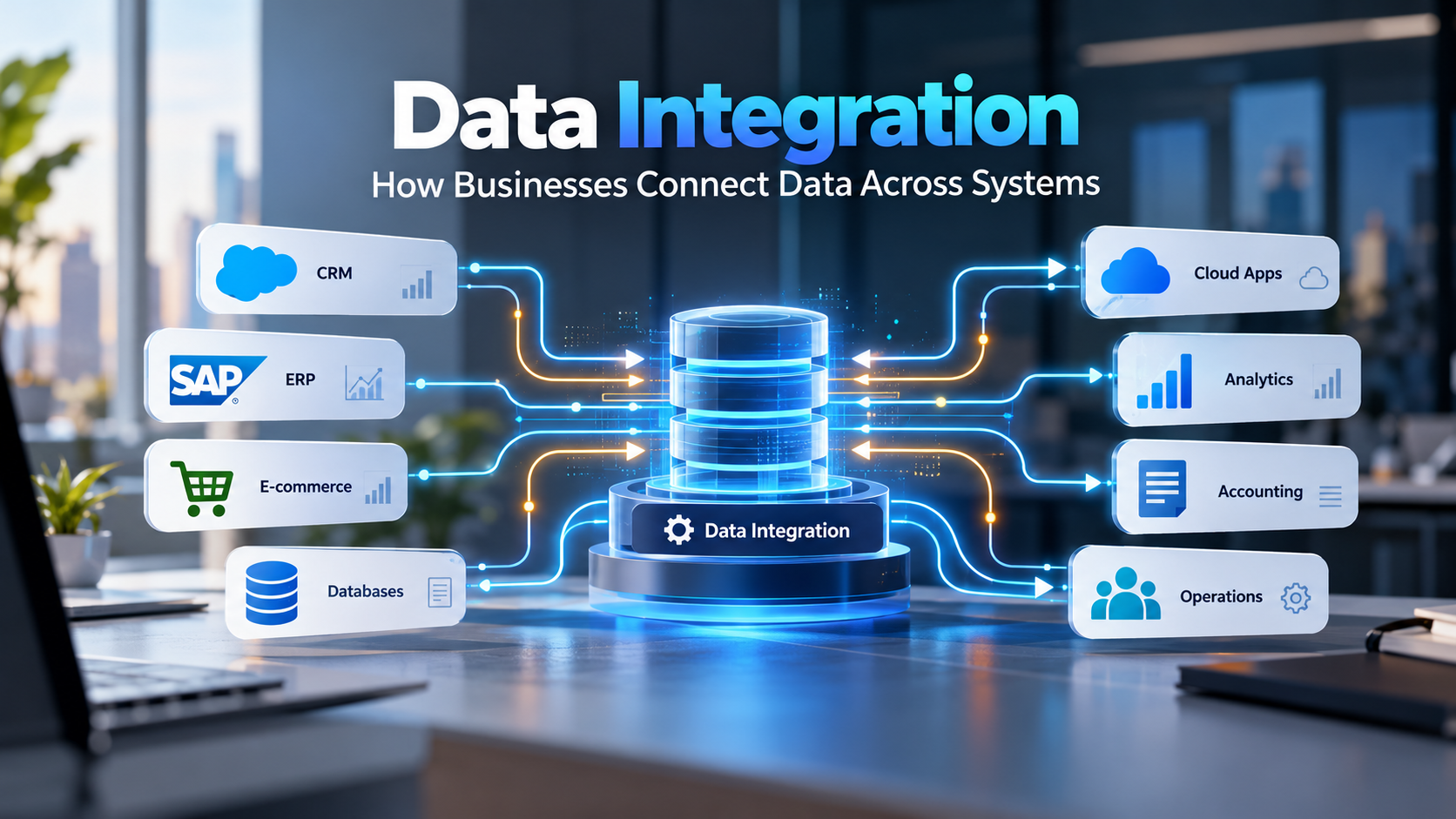
Yes. ERP platforms can integrate with CRM systems, accounting applications, e-commerce platforms, HR software, and other business tools through supported connectors, APIs, and integration services.
Does ERP software support business growth?
ERP software can support business growth through scalable modules, connected workflows, centralised data, and improved operational visibility. The selected platform and system architecture should accommodate future business requirements.
Conclusion: Improve Business Operations with ERP Solutions in Qatar
ERP software helps businesses connect their essential operations, improve information accuracy, and streamline daily workflows.
From financial management and inventory control to HR administration and business reporting, enterprise resource planning provides a unified foundation for managing organisational processes.
Businesses in Qatar can benefit from ERP systems that align with their operational requirements, industry needs, and long-term growth objectives.
The right ERP implementation can improve business visibility, support informed decisions, and create more efficient workflows across departments.
Ready to streamline your business operations?
Explore Inspire Technology’s ERP solutions in Qatar to discuss your business requirements and identify an ERP approach that supports your organisation’s goals.